

 REQUEST A QUOTE


 Find a branch
The Complete Guide to Making the Right Choice
Choosing the right type of window—whether for a new home or a renovation project in the Greater Montreal area—can quickly become a real challenge. Between materials (PVC, aluminum), glazing options (double or triple), and the various opening styles (casement, tilt-and-turn, sliding, etc.), it’s not always easy to know which window to choose. Yet this decision directly affects comfort, energy performance, and even the overall look of your home.
A well-chosen window acts as an effective barrier against cold in winter and heat in summer. It also helps improve sound insulation, reduce heating costs, and increase the value of the home. This guide is designed to help you better understand how to choose your windows based on your priorities, your environment, and the architectural style of your residence.

Why Choosing the Right Windows Is More Important Than You Think
Often perceived as a purely aesthetic element, windows are actually the most critical component of a building’s thermal envelope. An informed decision goes far beyond design and directly impacts your home’s energy efficiency and resale value.
In a climate like ours, an ill-suited window becomes the weak point in insulation, leading to costly heat loss in winter and overheating in summer. Beyond significant savings on heating bills, the right fenestration choice ensures the longevity of the structure by preventing water infiltration and providing superior sound insulation. It is a strategic investment that protects your real estate asset for decades to come.
The Most Common Window Materials: Advantages and Differences
The choice of material for your window frames should never be left to chance. It forms the foundation of energy performance, durability, and aesthetics. In Québec’s window industry, three materials dominate the market due to their reliability: PVC, aluminum, and hybrid.
Each material meets specific technical requirements in terms of insulation and resistance to weather conditions. Below, our experts break down the characteristics of each option to help you determine which best suits your home’s architecture and your budget.
PVC Windows: Performance With Minimal Maintenance
PVC is often recommended as the best option for residential renovation projects in the Greater Montréal area. It is affordable, offers excellent thermal performance, and requires very little maintenance.
PVC is particularly well suited to cold climates like ours, where heat loss is a major concern. Its insulating properties help maintain indoor comfort while reducing energy consumption.
Aluminum Windows: Strength and Modern Design
Aluminum is often chosen for modern or architectural projects. It allows for slimmer frames, which means more natural light and a sleek, contemporary look.
While aluminum is naturally less insulating than PVC, its performance improves significantly when equipped with a thermal break. This makes it a solid option for large openings and design-focused homes.
Hybrid Windows: The Best of Both Worlds
Hybrid windows typically combine a PVC frame on the interior with an aluminum exterior cladding. This configuration offers the excellent thermal performance and low maintenance of PVC, along with the durability and modern appearance of aluminum.
This type of window is very popular in the Greater Montréal area, as it adapts perfectly to climate variations while offering great design flexibility. The aluminum exterior is weather-resistant and available in a wide range of colors, allowing seamless architectural integration. Inside, the PVC provides a clean, neutral finish that complements any décor.
Although slightly more expensive than standard PVC windows, hybrid windows represent a durable and cost-effective long-term investment.
How to Compare Window Types
To simplify your decision-making process, it is essential to view the strengths of each material side by side. There is no universal solution, only the best option based on your specific priorities such as maximum insulation, refined architectural design, or budget optimization.
Below is a clear comparison of the key performance criteria.
| PVC Window | Aluminum Window | Hybrid Window (PVC/Aluminum) | |
|---|---|---|---|
| Thermal Performance | Excellent. Naturally the most insulating material. Ideal for reducing heating costs. | Good. Requires a thermal break to remain efficient during winter. | Excellent. Combines the insulating core of PVC with the exterior strength of aluminum. |
| Aesthetics & Finish | Slightly wider frames. White finish or limited color options (often painted). | Very slim frames allowing for increased natural light. Contemporary, architectural look. | Deep, robust frames. The aluminum exterior offers a wide range of durable color options. |
| Durability | Very durable, does not rust. May slightly yellow after several decades. | Superior. Maximum structural rigidity; warp-resistant and UV-stable. | Superior. The aluminum exterior protects the PVC from weather and UV exposure. |
| Maintenance | None. Simple cleaning with soapy water is sufficient. | None. Inert material requiring no special maintenance. | None. Combines the easy maintenance of both materials. |
| Budget | $ (Most economical option) | $$$ (Higher investment) | $$ (Excellent value for money) |
| Drawbacks | Thicker frames slightly reduce glass surface. Less rigid for oversized formats. | Naturally conducts cold (less insulating). Higher upfront cost. | Higher cost than standard PVC. Slightly bulkier profile than pure aluminum. |
| Expert Verdict | The practical choice for renovations and maximum insulation. | The design-driven choice for large openings and modern homes. | The perfect balance: PVC performance with the look of aluminum. |
Choosing the Right Window Opening Style
The opening style is just as important as the material or glazing. It affects ventilation, ease of use, cleaning, security, and the overall look of your home. Below is an overview of the most common window opening types available in Québec.

Casement Window: Maximum Airtightness
The casement window is one of the most common models in Québec. It opens outward using a side crank, allowing precise airflow control.
Thanks to compression weatherstripping when closed, it provides excellent air and water tightness. It is an ideal choice for homes exposed to harsh weather conditions and works well in living rooms and bedrooms.
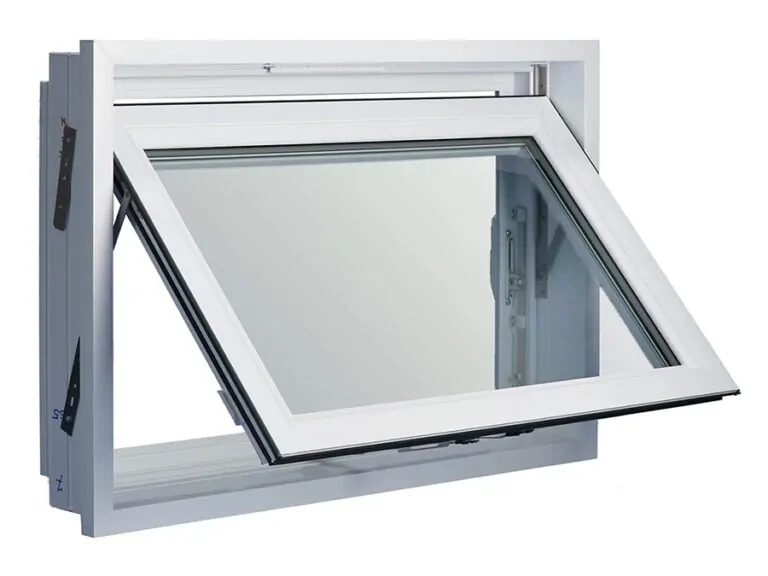
Awning Window: Ventilation Even in the Rain
Awning windows are hinged at the top and open outward from the bottom. This design allows ventilation even during rainfall.
They are commonly used in bathrooms, basements, and areas where privacy is important, and they pair well with fixed windows for elegant architectural compositions.

Sliding Window: A Space-Saving Solution
Sliding windows open horizontally by gliding one sash over another. They are ideal for narrow spaces or areas where a clear view is desired, such as above a kitchen sink.
They are easy to operate, easy to clean, and generally more affordable. However, their airtightness is slightly lower than casement windows, making build quality especially important.

Single-Hung and Double-Hung Windows: Traditional Charm
Hung windows open vertically with one or two movable sashes. This style is common in colonial or country-style homes.
Modern versions allow the sashes to tilt inward, making cleaning easier. They are well suited for front façades or homes where traditional aesthetics are important.
Tilt-and-Turn Windows: Versatility and Safety
Tilt-and-turn windows offer two opening options. They can open inward like a casement window or tilt at the top for secure ventilation.
This versatile system allows air circulation without fully opening the window, making it ideal for children’s bedrooms, condos, and high-rise apartments. It combines safety, insulation, and flexibility.
Cremone Bolt Windows: Architectural Elegance
A cremone bolt window is a casement window equipped with a decorative vertical locking mechanism operated by a central handle.
Popular in traditionally styled homes, it adds character while maintaining good security and functionality.
Fixed Windows: Light and Panoramic Views
Fixed windows do not open, but they play a key role in architectural design. They maximize natural light and offer unobstructed views.
They are often combined with operable windows to create a sense of openness or to highlight a façade.
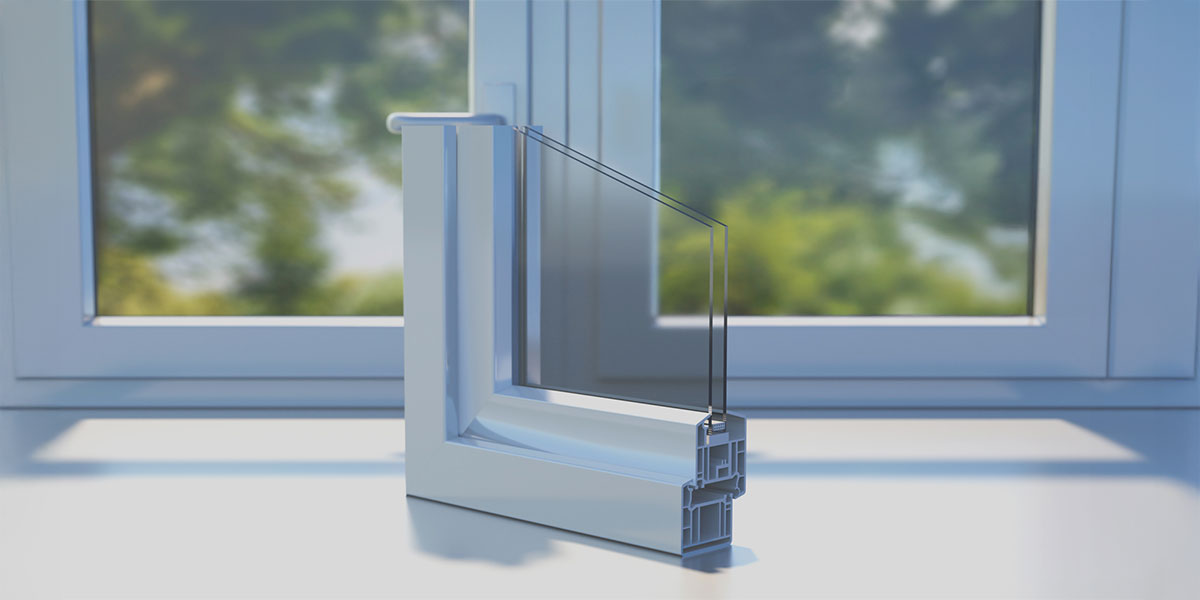
Double or Triple Glazing: Which Should You Choose?
Double glazing is sufficient for most well-insulated homes and offers an excellent balance between thermal efficiency and budget. It is the most common choice in the Greater Montréal area.
Triple glazing is recommended in colder locations or when superior thermal and acoustic comfort is desired. While more efficient, it is also heavier and more expensive, making it ideal for high-performance or passive homes.
Key Factors to Consider Before Making Your Choice
Québec’s climate, with its wide temperature fluctuations, requires robust and well-insulated windows. Home orientation also matters. South-facing façades benefit from solar heat gain, while north-facing sides require stronger thermal protection.
Architectural style, maintenance preferences, natural light, noise reduction, budget, and available incentives in the Greater Montréal area should all be considered when making your final decision.

Personalized Support for a Durable Project
At Portes et Fenêtres Verdun, we believe that choosing the right windows starts with a clear understanding of real needs. Based in the Greater Montréal area, we support each client with personalized recommendations backed by decades of experience and in-depth knowledge of the local climate.
Whether you are planning a renovation, a new build, or an energy upgrade, our team is here to help you choose durable, stylish, and high-performance windows, installed according to best practices. Visit us in-store or explore our products online to discover the best window options for your home.


