REQUEST A QUOTE


 Find a branch
Key points
- Acoustic comfort: Soundproof glass can significantly improve it.
- Asymmetrical double glazing: Often the best option against noise.
- Triple glazing: A gradual reduction in noise disturbances.
- Acoustic laminated glass : Absorbs vibrations more than it blocks them.
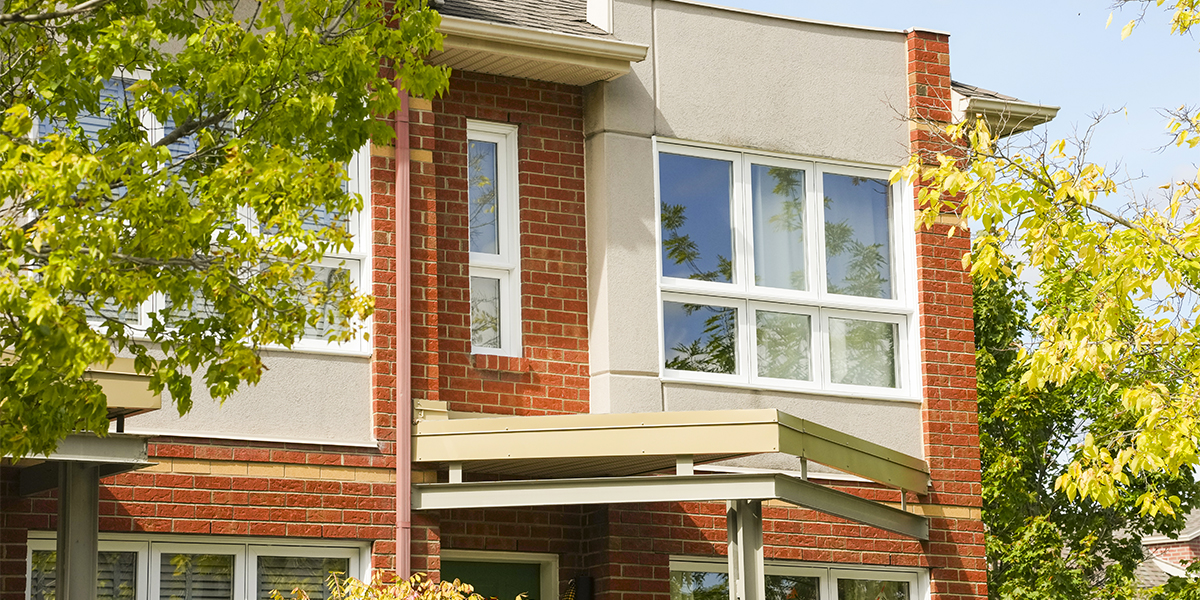
The comfort of a home depends on more than just maintaining a pleasant indoor temperature. Outdoor noise can quickly become a major source of discomfort, especially in urban areas, near busy roads, or in densely populated neighborhoods. While several solutions are available, they are often misunderstood.
Contrary to popular belief, installing a soundproof window will not completely eliminate noise. The goal is to significantly reduce its intensity to improve everyday comfort. Understanding how acoustic glass works helps set realistic expectations and ensures you choose a solution that truly fits your environment.
Why Noise Gets Through Closed Windows
Noise is a vibration that travels through different materials. Unlike heat, it does not follow a single path and can pass through the glass, window frames, walls, and even the smallest gaps. This is why a home can still feel noisy despite having relatively new windows. If the building envelope has weak points, sound will always find a way inside.
In many cases, homeowners look for ways to reduce outdoor noise through their windows when the issue is actually more complex. This does not mean windows are unimportant, but rather that they should be considered one component of an overall strategy to improve acoustic comfort throughout the home.
What a Window Can Really Do Against Noise
A window does not completely block noise, it reduces it. This distinction is important because acoustic performance depends primarily on the glass’s ability to slow down and dampen sound vibrations. The more obstacles and density changes sound encounters, the more energy it loses before reaching the interior of the home.
This is why some glazing configurations perform much better than others. Choosing the right solution depends on the type of noise you are trying to reduce, whether it comes from road traffic, public transportation, neighbors, or other recurring sound disturbances.
Triple-Pane Glass: A Gradual Reduction in Noise Pollution
Triple-pane glass works by adding an extra layer that sound must travel through. Each layer helps reduce noise transmission while also improving the home’s thermal insulation. This makes triple-pane windows particularly appealing in environments where noise is constant, such as near busy streets or heavily trafficked roads.
However, contrary to what many people believe, triple-pane glass is not automatically the most effective acoustic solution. When all three panes have similar thicknesses, certain sound frequencies can still pass through relatively easily. In many situations, asymmetric glazing or acoustic laminated glass can provide better sound reduction than a standard triple-pane insulated glass unit.
Asymmetric Double-Pane Glass: Often the Best Option for Noise Reduction
Asymmetric double-pane glass relies on a simple principle: using two panes of different thicknesses. This variation disrupts sound waves more effectively because they react differently depending on the mass and thickness of the glass. The result is improved sound attenuation across a wider range of frequencies.
This configuration is particularly effective for reducing road traffic noise, transportation noise, and other urban sound disturbances. In many cases, a well-designed asymmetric double-pane insulated glass unit can outperform a standard triple-pane unit acoustically while remaining more affordable. As a result, it is often considered one of the best compromises between performance, cost, and energy efficiency.
Laminated Glass: Absorbing Rather Than Blocking Sound
Laminated glass works differently from other glazing options. It incorporates a plastic interlayer between two panes of glass that acts as a sound-dampening barrier. Instead of simply slowing sound vibrations, it absorbs part of them, significantly improving acoustic performance for certain types of noise.
This solution is particularly effective against impact noise, voices, vibrations, and irregular sounds. In addition to its acoustic benefits, laminated glass also offers enhanced safety because it remains in place even when broken.
Comparison of Soundproofing Solutions
Scroll horizontally to view all columns of the table on mobile.
| Type of glazing | Noise Reduction Performance | Best For | Relevance |
|---|---|---|---|
| Standard Double-Pane | Low | Light noise | Limited |
| Asymmetric Double-Pane | Very High | Traffic and urban noise | Often the best option |
| Triple-Pane | High | Constant noise and thermal insulation | Excellent compromise |
| Acoustic Laminated Glass | Very High | Vibrations, impacts, voices | Excellent performance |
How to Choose the Right Solution Based on the Type of Noise
Not all noises behave the same way. Continuous traffic noise is very different from occasional sounds such as a car door slamming, a barking dog, or conversations coming from outside. For this reason, identifying the primary source of noise is essential before selecting a solution.
A poor assessment can lead to an investment that fails to deliver the expected results. In particularly noisy urban environments, a combination of solutions may be recommended. In quieter neighborhoods, however, targeted improvements to glazing or sealing may be enough to significantly enhance comfort.
Why Installation Has a Major Impact on Results
Just like energy efficiency, installation quality plays a critical role in a window’s acoustic performance. Even the best glazing available on the market cannot deliver optimal results if sound can travel through gaps around the frame or through poorly sealed openings.
Proper sealing is therefore essential to maximize performance, just as important as having an installation completed according to industry best practices. In many situations, the difference between a noticeable improvement and a disappointing outcome is more closely related to installation quality than to the glazing itself.
Do You Always Need to Replace Your Windows to Reduce Noise?
A complete window replacement is not always necessary. When existing windows are still in good condition, targeted improvements such as adding weatherstripping or correcting air leakage issues may already help reduce some unwanted noise.
However, when windows are old, inefficient, or showing significant signs of wear, replacing your windows often becomes the most effective solution. Soundproof glazing can significantly improve acoustic comfort, provided the configuration is selected based on the type of noise being addressed.
Contrary to what many people think, triple-pane glass is not automatically the best solution for noise reduction. For many homes located near busy roads or in urban environments, asymmetric glazing or acoustic laminated glass may provide superior results. A tailored approach, based on a proper understanding of the problem and a quality installation, can deliver meaningful improvements without unnecessary expenses.
Would you like to improve the acoustic comfort of your home? Request a free estimate and discover the solutions best suited to your environment and your windows.