

 REQUEST A QUOTE


 Find a branch
Key Points
- Windows can account for up to 25% of heat loss in a home in Quebec.
- Triple glazing combined with Low-E coating and argon gas offers the best performance in cold climates.
- Poor installation can negate the benefits of a high-performance window; installation is just as important as the product itself.
- Replacing seals may be sufficient if the glazing is still in good condition; full replacement is not always necessary.
Window energy efficiency is rarely the first thing people think about when comfort issues arise in a home. Yet, in many cases, it is directly responsible for cold sensations, drafts, and high heating bills.
In a climate like Quebec’s, windows are constantly under stress. They must withstand temperature fluctuations, limit heat loss, and maintain proper airtightness. When one of these elements fails, the impact is quickly noticeable.
Understanding how to improve window insulation is not just about choosing better glazing. It involves analyzing the entire system: the glass, the frame, the installation, and even the building’s environment.

Why windows cause so much heat loss
It is often said that windows can account for up to 25% of a home’s heat loss. This figure is accurate, but it deserves some nuance. In practice, losses do not come only from the glass. They are very often linked to invisible air leaks. A slightly misaligned window or worn seals can allow cold air to pass through continuously, even if the glazing itself performs well.
This is why some people notice significant improvement simply by replacing weatherstripping, while others need to consider a full replacement. Another often overlooked factor is wind exposure. A window directly exposed to prevailing winds will experience more heat loss than an identical window located elsewhere in the house.
How to tell if a window is inefficient
Before replacing windows, it is useful to recognize the signs of poor energy performance. Several indicators can reveal a problem. A feeling of cold near windows, even when the heating system is working normally, is often a clear sign. Condensation between panes or on the interior surface may also indicate insufficient insulation.
In some cases, you may even notice significant temperature differences between rooms. This situation is common in older homes or when windows have not been replaced for many years. These elements help determine when replacement is necessary and when a simple improvement may be enough.
Double, triple glazing and Low-E: what really changes
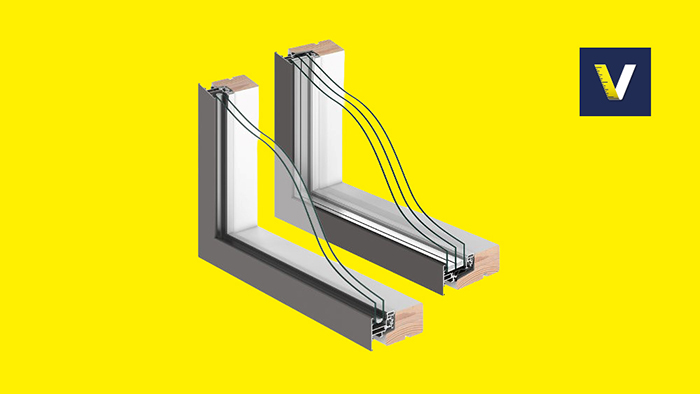
The choice of glazing is often at the center of discussions, yet the differences between options are sometimes misunderstood. Double glazing is now the minimum standard. It provides decent insulation but may reach its limits in harsher winter conditions.
Triple glazing adds an extra layer, improving thermal stability. It is particularly relevant in colder areas or for people sensitive to temperature fluctuations.
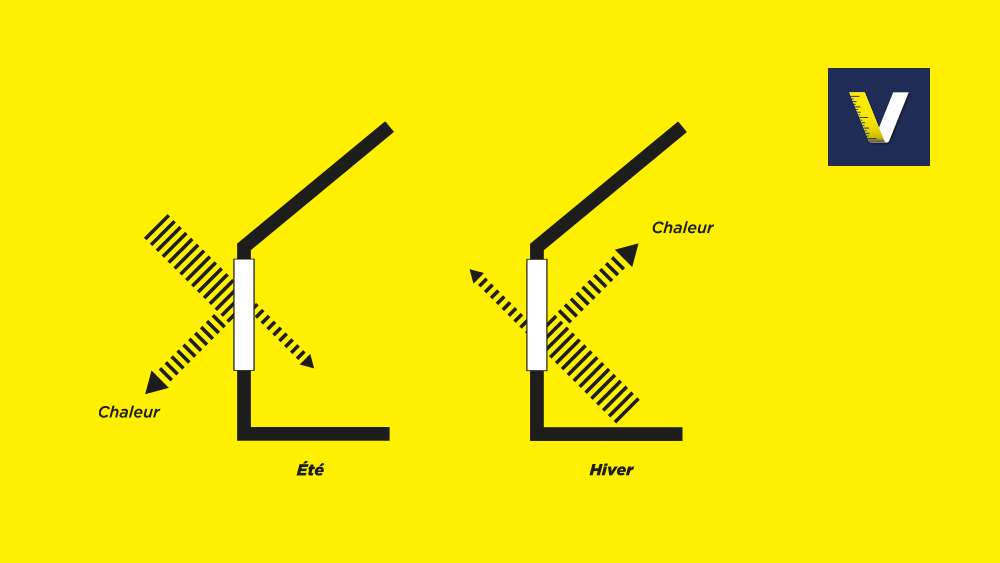
Low-E coating works differently. It reflects heat back inside while allowing light to pass through. When combined with a gas such as argon, it significantly improves overall performance.
This table provides a quick overview of the differences, but it does not replace an analysis tailored to each specific situation.
Performance comparison by window type
| Type of glazing | Winter comfort | Heat loss reduction | Cost | Relevance |
|---|---|---|---|---|
| Double glazing | Moderate | Good | $$ | Standard |
| Triple glazing | High | Very good | $$$ | Recommended |
| Low-E + argon | Very high | Optimized | $$$ | Ideal long-term |
Why installation has such a strong impact on performance
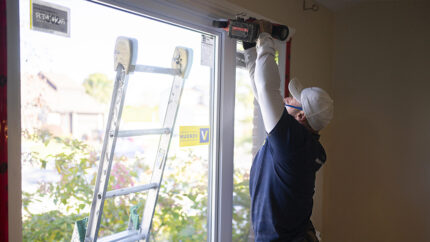
A high-performance window that is poorly installed can become ineffective. This point is often underestimated. When there is even a small gap between the frame and the wall structure, air can circulate freely, creating constant heat loss that is difficult to compensate for.
Quality installation relies on several factors: proper insulation around the frame, adequate sealing, and precise fitting. These ensure long-term performance. In many cases, the difference between a comfortable home and one that is hard to heat depends more on installation than on the window itself.
Should you always replace your windows?
The answer depends on the current condition of your windows. It is not always necessary to proceed with a full replacement. When air leaks are minimal and the glazing is still in good condition, simple solutions can be considered.
For example, adding or replacing seals can significantly improve the situation. However, if the windows show advanced signs of wear, replacement often becomes more cost-effective in the long term.
How to choose the right solution for your home
Every home has different characteristics. An older house with less airtight construction will not react the same way as a newer building. Therefore, window selection must consider several factors: wind exposure, orientation, heating type, and comfort expectations.
A personalized approach helps avoid common mistakes, such as investing in an overly advanced solution for limited needs, or choosing an insufficient option for a demanding environment.
Improving window energy efficiency does not rely on a single decision but on a set of consistent choices. Glazing, installation, and the overall condition of the windows directly influence the results.
A proper understanding of these elements helps avoid unnecessary investments and ensures real, long-term comfort.
A tailored assessment of your situation can make all the difference between partial improvement and a significant gain in comfort. Do not hesitate to speak with one of our representatives to receive clear, personalized recommendations for your property.


