REQUEST A QUOTE


 Find a branch
Key Points
- Difference between double and triple glazing: The main difference between double glazing and triple glazing lies in their composition.
- Low-E coating: Most high-performance glazing today is equipped with a Low-E coating, also known as a low-emissivity coating.
- Double glazing remains a reliable solution that meets current energy efficiency standards.
- Triple glazing, on the other hand, offers superior energy efficiency thanks to its two insulating air spaces.
When it’s time to replace windows or install new ones, one question almost always comes up: should you choose double glazing or triple glazing? This decision has a direct impact on energy efficiency, indoor comfort, soundproofing, and window durability. Understanding the difference between double and triple glazing helps you make an informed decision that fits your home’s real needs and long-term goals.
What is the difference between double glazing and triple glazing?
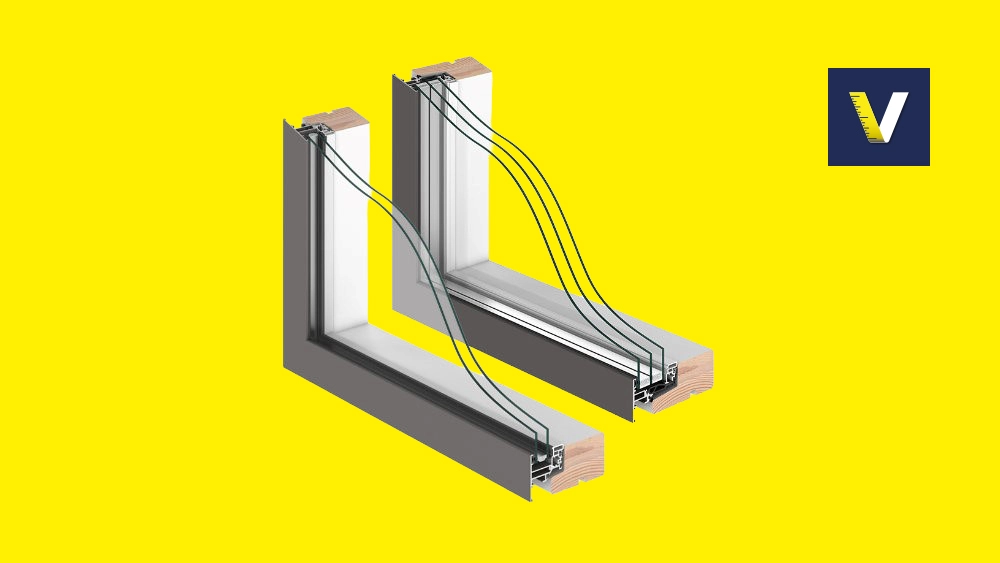
The main difference between double glazing and triple glazing lies in their composition. Double glazing consists of two panes of glass separated by a single insulating chamber filled with gas, usually argon. Triple glazing, on the other hand, includes three panes of glass and two insulating chambers.
Thanks to this design, triple glazing offers higher thermal resistance and further limits heat transfer between the interior and exterior. This structural difference explains why triple glazing is often preferred when the primary goal is to optimize a home’s energy efficiency.
How is double or triple glazing constructed?
A modern window relies on a hermetically sealed assembly of glass panes held together by spacers. These spacers create airtight spaces between the panes, which are filled with argon, an inert gas heavier than air. Argon helps slow down convection and reduce heat loss in winter while limiting excessive heat gain in summer.
The thickness of the glass panes also plays an important role in overall performance. When the panes have different thicknesses, the glazing can provide better thermal efficiency and improved sound insulation. This configuration is particularly relevant for products such as casement windows, known for their excellent airtightness and high energy performance.
The role of Low-E coatings in energy performance
Most high-performance glazing systems today are equipped with a Low-E coating, also known as a low-emissivity coating. This microscopic layer is applied to the inner surface of a glass pane and acts as an invisible thermal barrier. It reflects part of the heat while allowing natural light to pass through, helping maintain a more stable indoor temperature.
Some glazing systems include a second Low-E coating to further enhance energy efficiency. This type of configuration is often chosen for projects focused on reducing energy consumption and meeting Energy Star standards for doors and windows.
Double glazing or triple glazing: which is more efficient?
Double glazing remains a reliable solution that meets current energy standards. It suits many situations and represents a good balance between performance and cost.
Triple glazing, for its part, offers superior energy efficiency thanks to its two insulating chambers. Many homeowners wonder whether triple glazing truly justifies the price difference. In practice, its ability to reduce heat loss improves comfort near windows and can help lower heating needs over the long term, especially when the glazing is well suited to the type of window selected.
Soundproofing: a commonly misunderstood difference
It is often assumed that triple glazing is automatically more soundproof than double glazing. In reality, acoustic performance mainly depends on the variation in glass thickness. Panes of different thicknesses help block a wider range of sound frequencies.
As a result, a well-designed double glazing unit can provide excellent sound insulation, sometimes comparable to or even better than triple glazing made with identical panes. This factor is important to consider, especially for sliding windows, where the choice of glazing plays a key role in acoustic comfort.
Why triple glazing is preferred for energy efficiency
The main advantage of triple glazing is its ability to maintain a stable indoor temperature, even during periods of intense cold. Thanks to its two insulating air spaces, it often exceeds the requirements of programs like ENERGY STAR and Novoclimat. This improved performance results in greater indoor comfort and a gradual reduction in energy costs.
However, it is important to consider the weight of triple glazing. Due to its higher mass, it is not always recommended for certain types of windows, such as sliding or hung models, where the durability and smooth operation of the mechanisms must be preserved.
Durability, cost-effectiveness, and the evolution of glazing
Beyond immediate performance, choosing the right glazing should also take long-term durability and cost-effectiveness into account. Modern glazing, when properly designed and installed, retains its insulating properties for many years. Triple glazing therefore represents a durable investment for homeowners who want to anticipate evolving energy standards.
Argon remains the most commonly used insulating gas in residential glazing today. However, krypton is beginning to emerge as an even more high-performance solution. Being denser than argon, it slows heat transfer more effectively, although its higher cost currently limits its use to specific applications.
Choosing between double and triple glazing is not simply a matter of the number of panes. It involves evaluating the desired energy efficiency, the type of windows, the level of comfort sought, and long-term objectives. Double glazing remains a reliable and accessible option, while triple glazing stands out as a high-performance solution for those looking to maximize insulation and durability in their home.
To receive personalized advice and choose the glazing best suited to your project, you can request a quote from a doors and windows specialist.